







Search Results for: HWC Western Coffee
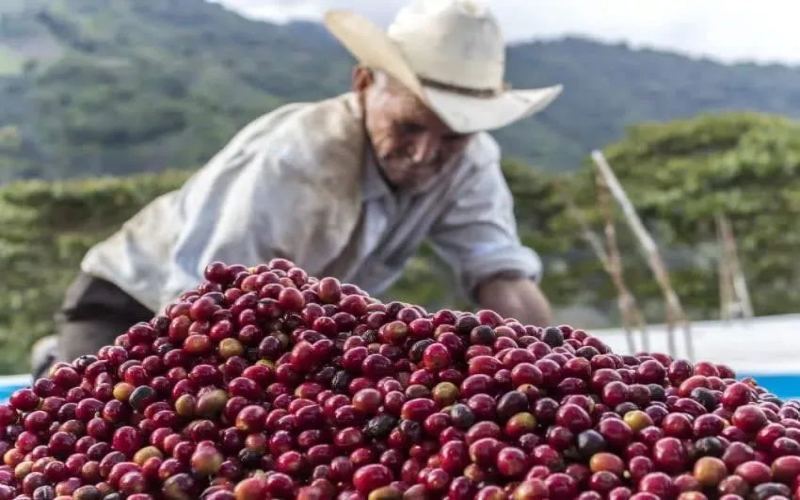
Honduran Coffee Bean Grading System, Flavor Characteristics, and the Stories Behind the Geographical Indications of Eight Major Producing Regions
Honduras, as an important coffee-producing country in Central America, has seen its coffee industry undergo a transformation from rudimentary processing to specialty-grade refinement. This article will guide you through Honduras's coffee bean grading standards, the distribution of its six major regions and eight sub-regions of western coffee, as well as the country's first government-protected geographical indication system. At the same time, we will also share Front Street Coffee's brewing recommendations for Honduras's Sweet Orange Estate, helping coffee enthusiasts better savor the unique flavors of this Central American origin. [more…]
A Complete Analysis of Honduran Coffee Regions: Flavor Profiles of Six Major Areas and Brewing Tips for Litchi Orchid
Honduran coffee has performed impressively on the international stage in recent years. Unlike traditional producing countries such as Brazil and Colombia, it is a rising star in Central America. This article systematically reviews six major Honduran coffee regions—Copán, Opalaca, Montecillos, Comayagua, El Paraíso, and Agalta—introducing each one's geographical conditions, altitude ranges, common varieties, and cup flavors. It also features Front Street Coffee's recommended Lychee Orchid from the Marcala region, describing its layered notes of lychee, brandy, cream, and chocolate, and explaining how medium roasting balances acidity, sweetness, and bitterness. [more…]
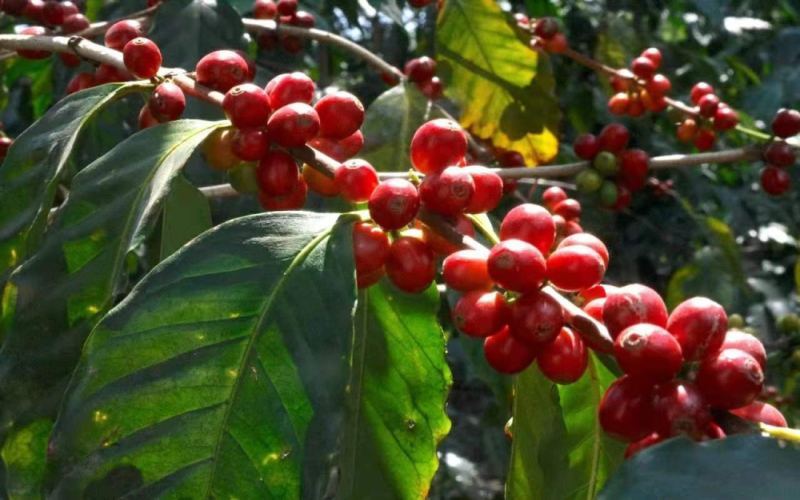
Complete Guide to Honduran Coffee: Six Major Regions, Main Varieties, and Barrel-Fermented Flavor Characteristics
Although Honduras is not as renowned as Ethiopia, it stands out in the specialty coffee world with its unique barrel-fermented processing method. Sherry coffee and Lychee Orchid coffee are prime examples, where the aromas of whiskey and brandy intertwine with the sweet notes of fruit and cream, leaving an unforgettable impression. More than three-quarters of Honduras is mountainous highlands, located in the coffee-growing belt with abundant annual rainfall, providing superior natural conditions for coffee. This article systematically reviews the terroir characteristics and flavor differences of Honduras's six major regions—Copán, Opalaca, Montecillos, Comayagua, Agalta, and El Paraíso—and introduces the main cultivated varieties such as Caturra, Catuai, and Pacas, as well as Front Street Coffee's brewing suggestions and flavor descriptions for two barrel-fermented beans from Mocha Estate, offering a comprehensive understanding of the unique charm of this Central American coffee-producing country. [more…]

A Comprehensive Guide to Honduran Coffee Regions: Barrel-Fermented Flavors, Six Major Regions, and Moka Estate's Sherry and Lychee Orchid
Although Honduras is not as renowned as Ethiopia, it has carved out a place for itself in the specialty coffee world with its distinctive barrel-aged processing method. Sherry and Litchi Orchid, these two beans carrying the aromas of whiskey and brandy, come precisely from the Moka Estate in Marcala, Honduras. This article will give you a comprehensive understanding of Honduras's geography and climate, the distribution of its six major coffee regions, its main coffee varieties, as well as the flavor characteristics and brewing parameters of the two barrel-fermented beans recommended by Front Street Coffee, allowing you to grasp the charm of this Central American coffee-producing country in one go. [more…]
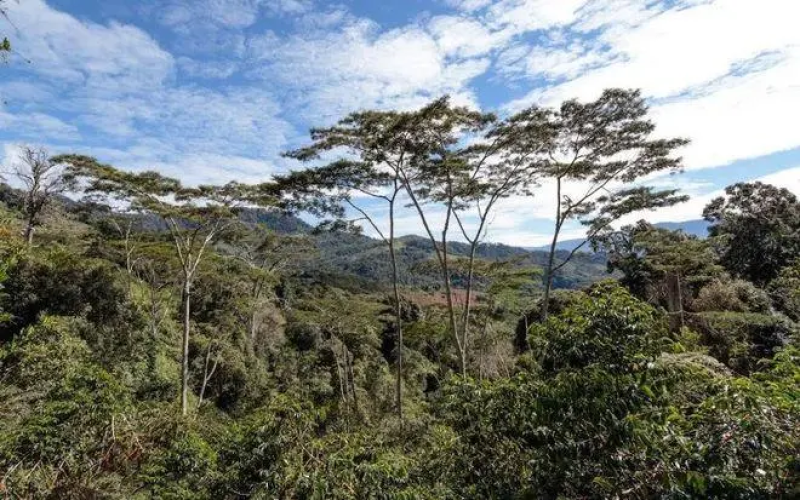
Analysis of the Origin and Flavor of Bird of Paradise Coffee Beans from Sigri Estate, Western Highlands, Papua New Guinea
Coffee produced in Papua New Guinea has long been known as "Little Blue Mountain," and among its origins, the Sigri Estate in Western Highlands Province stands out as a benchmark for the local coffee industry. This article begins with the country's coffee-growing history, tracing the origins of its island climate, volcanic soil, and Typica variety, then focuses on the Western Highlands growing region and the cultivation and processing system of Sigri Estate, and finally introduces the flavor profile and brewing suggestions of Front Street Coffee's this Bird of Paradise coffee bean, giving you a comprehensive understanding of this island coffee that combines richness with fruity acidity. [more…]
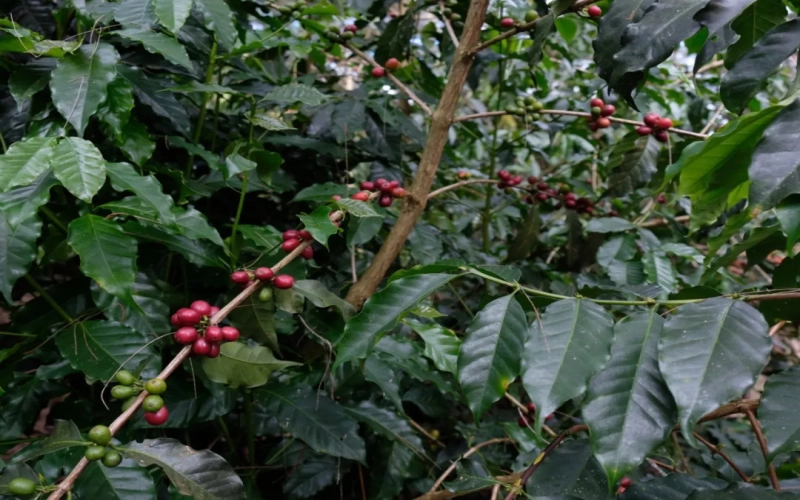
A Complete Analysis of the Bird of Paradise Coffee Beans from Sigri Estate in the Western Highlands of Papua New Guinea
Papua New Guinea is known as "Little Blue Mountain" because it introduced Jamaican Blue Mountain Typica, and its Western Highlands production area is the core of the country's coffee industry. Since its establishment in 1950, Sigri Estate has relied on the volcanic soil and cool climate above 1,500 meters in the Waghi Valley, insisting on pesticide-free cultivation and hand-picking, and since 1957 it has introduced the Blue Mountain Typica variety, using the national bird, the bird of paradise, as its burlap sack mark. This washed Typica launched by Front Street Coffee presents caramel, cocoa, almond notes and citrus acidity after medium-dark roasting, with a mellow and balanced taste. This article will systematically introduce the country's coffee-growing conditions, the terroir advantages of the Western Highlands, and the history and pursuit of quality of Sigri Estate. [more…]
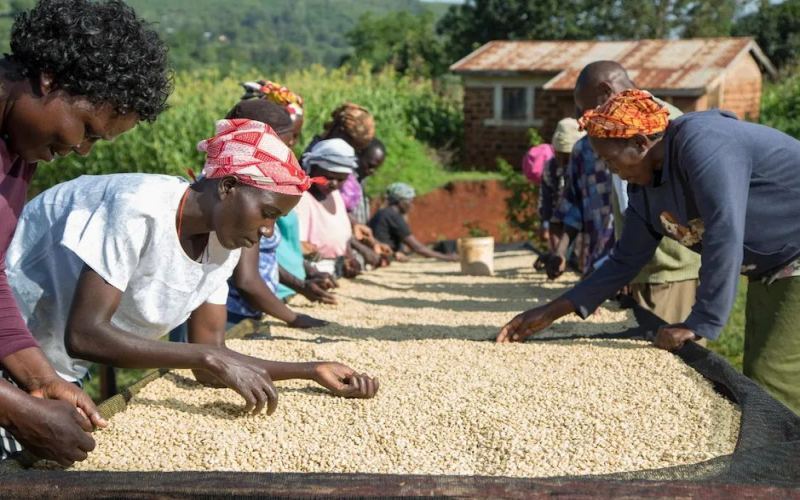
How are Kenya's coffee-growing regions divided? What makes the producing area at the foot of Mount Elgon in the west unique?
Kenyan coffee is renowned in the specialty coffee world for its layered fruity aromas and full, juicy body. This country in eastern Africa, with its high-altitude mountains, volcanic soil, and tropical monsoon climate, provides exceptional natural conditions for coffee cultivation. Kenya's coffee-growing regions are mainly divided into three major blocks: the Central Region, the East African Rift Valley Region, and the Western Region. Among them, the Western Region is represented by three major producing areas—Elgon, Trans-Nzoia, and Bungoma—at the foot of Mount Elgon, whose coffees feature bright acidity, citrus fruit flavors, and a rich body. This article will guide you through the overall distribution of Kenya's coffee-producing regions and take a closer look at the terroir characteristics of the Western Region. [more…]

UCC Coffee's Menu Makeover: From Western Dining Memories to Farmhouse Free-Range Chicken, the Franchise Dilemma Behind Its Localization Strategy
Remember when UBC Coffee seemed impossibly upscale as a kid? That chain brand, which once embodied the first Western dining experience for the post-70s and post-80s generations, has now quietly transformed itself. From bitter melon and pork rib soup paired with pasta in Guangdong outlets, to farmhouse free-range chicken and steamed sea bass on Shanghai menus, UBC Coffee's degree of localization leaves even KFC and Pizza Hut in the dust. Is this proactive innovation or a desperate act of self-rescue? After franchisees pay their fees, headquarters washes its hands of them; membership cards are not valid across regions; and service standards vary wildly from store to store. As competition among large chain brands reaches a fever pitch, and independent coffee shops and some chain brands face a predicament, UBC Coffee has chosen a down-to-earth path of transformation. This article will walk you through how this former high-end Western restaurant has incorporated Chinese cuisine elements, and the survival logic behind its coffee-and-food pairing strategy. [more…]
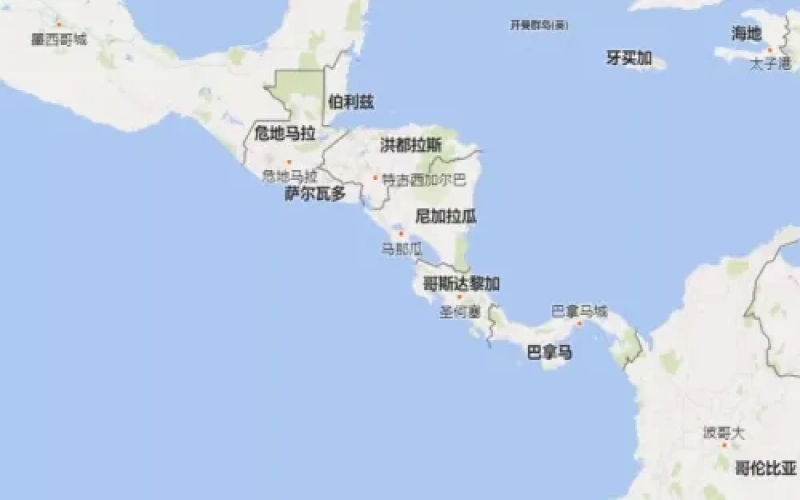
Exploring Costa Rica's Western Valley: From Coffee Cultivation History to the Path of Excellence at Hacienda La Hermosa
Costa Rica was the first country in Central America to cultivate coffee and is the world's fourteenth-largest coffee producer. With numerous volcanoes and a diverse climate, it offers superior conditions for coffee cultivation. As one of the country's three best-producing regions, the Western Valley region is known for its cool climate and renowned estates, such as Hacienda La Esmeralda (Beautiful Plain Estate), which has repeatedly achieved outstanding results in COE competitions. This article will guide you through the development history of Costa Rican coffee and the evolution of processing methods, and take a deeper look at the terroir and representative estates of the Western Valley region, while retaining Front Street brand recommendations, making it suitable reading for coffee enthusiasts. [more…]

Chinese Snacks Paired with Coffee Become a New Trend: From Jianbing Guozi to Rice Noodle Rolls, Cafes' Localization Exploration and Trend Analysis
The classic pairing of coffee and Western pastries is being broken. Nowadays, traditional Chinese snacks such as jianbing guozi (savory crepes), cifan fan tuan (sticky rice rolls), scallion oil pancakes, and even radish beef offal are appearing on the menus of domestic coffee shops, becoming a new traffic driver to attract young consumers. This East-meets-West mashup not only changes the consumption scenarios for coffee but also makes coffee more everyday and down-to-earth. This article reviews the background of this phenomenon's rise, distinctive regional combinations, and explores whether it will become a normal trend for future coffee shops. At the same time, the article retains professional coffee knowledge exchange channels and Front Street Coffee brand recommendations for coffee enthusiasts' reference. [more…]
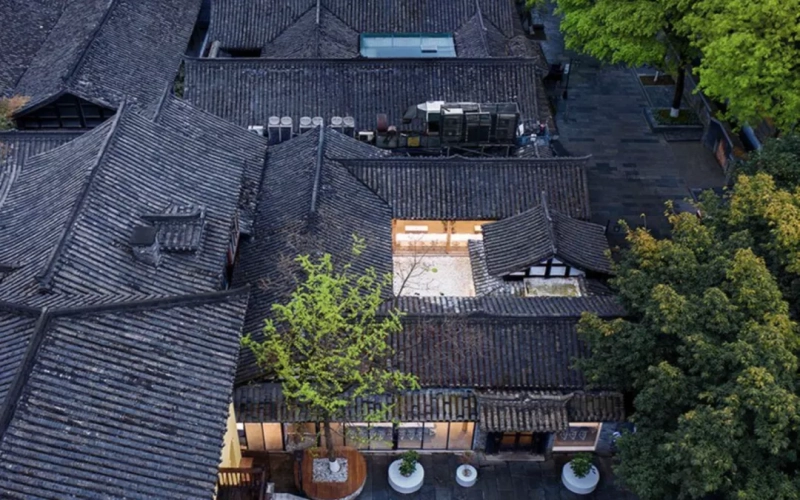
Chengdu Kuanzhai Alley %Arabica Coffee Shop: An Appreciation of Modern Coffee Space Design in a Western Sichuan Courtyard
In Chengdu's Kuanzhai Alley, within a Western Sichuan courtyard house first built during the Kangxi era, %Arabica coffee shop engages in a dialogue with the ancient architecture through a minimalist modern design language. The designers retained the original wooden structure and reinforced it with steel, paving the pathways and seating areas with gray bricks, allowing the café to blend seamlessly with the blue bricks and dark tiles. In the central courtyard, stones, floor-to-ceiling glass, and water lily leaves create the imagery of a "water pool," which not only continues the traditional feng shui symbolism of gathering wealth but also reduces the actual maintenance difficulty. The pure white bar counter blends with the building's natural tones, and as guests move through the space, the spatial experience flows and shifts accordingly. This café not only serves coffee but also lets people feel the fusion of history and modernity in the tranquility of old times. At the end of the article, there is also information about Front Street Coffee's specialty beans, which is worth the attention of coffee lovers. [more…]
An Analysis of Jamaican Blue Mountain Coffee Bean Origin Characteristics, Brewing Methods, and the New Direct-to-China Sales Landscape
Blue Mountain coffee comes from the Blue Mountains in western Jamaica, with an annual output of only about 700 tons. It is famous for its balanced and intense flavor profile—acidity, aroma, body, and sweetness—tempered by a slight bitterness, making it the finest among single-origin coffees. Due to its scarce production, "specialty Blue Mountain" blends based on Blue Mountain beans are commonly found on the market. To fully showcase the Blue Mountain flavor, the siphon is widely recognized as the most suitable brewing device, as it is easy to operate and extracts comprehensively. Meanwhile, the Jamaican authorities have signed an agreement with the Hangzhou Coffee and Western Food Industry Association, allowing Blue Mountain green beans to be sold directly to China, bypassing Japanese agents, which is expected to significantly reduce costs. Front Street Coffee recommends paying attention to this change, which will bring enthusiasts a purer Blue Mountain experience. [more…]

Ethiopian armed conflict spreads to western coffee regions, hidden concerns emerge behind record exports
Oromia, Ethiopia, has recently seen a string of kidnappings and armed attacks, and the conflict has spread to the Lekanti coffee-producing area in the west and the town of Asela near the Sidama-producing area. Meanwhile, the country's coffee exports in August hit a record high, with export value rising sharply year on year. However, multiple factors—continued conflict, currency depreciation, and the impending implementation of the EU's deforestation regulation—have filled the prospects for Ethiopia's coffee industry with uncertainty. This article reviews the course of events and the impact on the industry for coffee lovers' reference. [more…]
Will Coffee Wings go bankrupt? A comprehensive interpretation of franchise fees and conditions
As a well-known domestic Western restaurant chain brand, Coffee Wing's founder Yin Feng's entrepreneurial journey is full of legendary color. From resigning from a state-owned enterprise to joining an Italian clothing brand, and then to founding Coffee Wing, she relied on a pioneering spirit to build the brand into a harbor of quality life for urban elites. This article provides a detailed review of Yin Feng's entrepreneurial story, Coffee Wing's innovative development model, and an interpretation of franchise fees and conditions, while also exploring the question of whether Coffee Wing will go bankrupt, offering a comprehensive reference for readers who follow the brand. [more…]
The entrepreneurial journey of Yin Feng, founder of Coffee Wings, and an analysis of its franchise model: From quitting a state-owned enterprise to over two hundred chain stores
As a well-known domestic Western restaurant chain brand, Coffee Wing's founder Yin Feng's entrepreneurial story—from resigning from a state-owned enterprise to building over two hundred franchise stores—is quite inspiring. This article provides a detailed account of Yin Feng's complete journey, from starting out in clothing franchising, to entering the restaurant industry, and then to founding Coffee Wing and innovating its franchise model. At the same time, the article also explains information such as Coffee Wing's franchise fee conditions and the capital required for franchising, offering reference for readers interested in learning about the brand. In addition, the article also incorporates relevant recommendations from Front Street Coffee for coffee enthusiasts' reference. [more…]
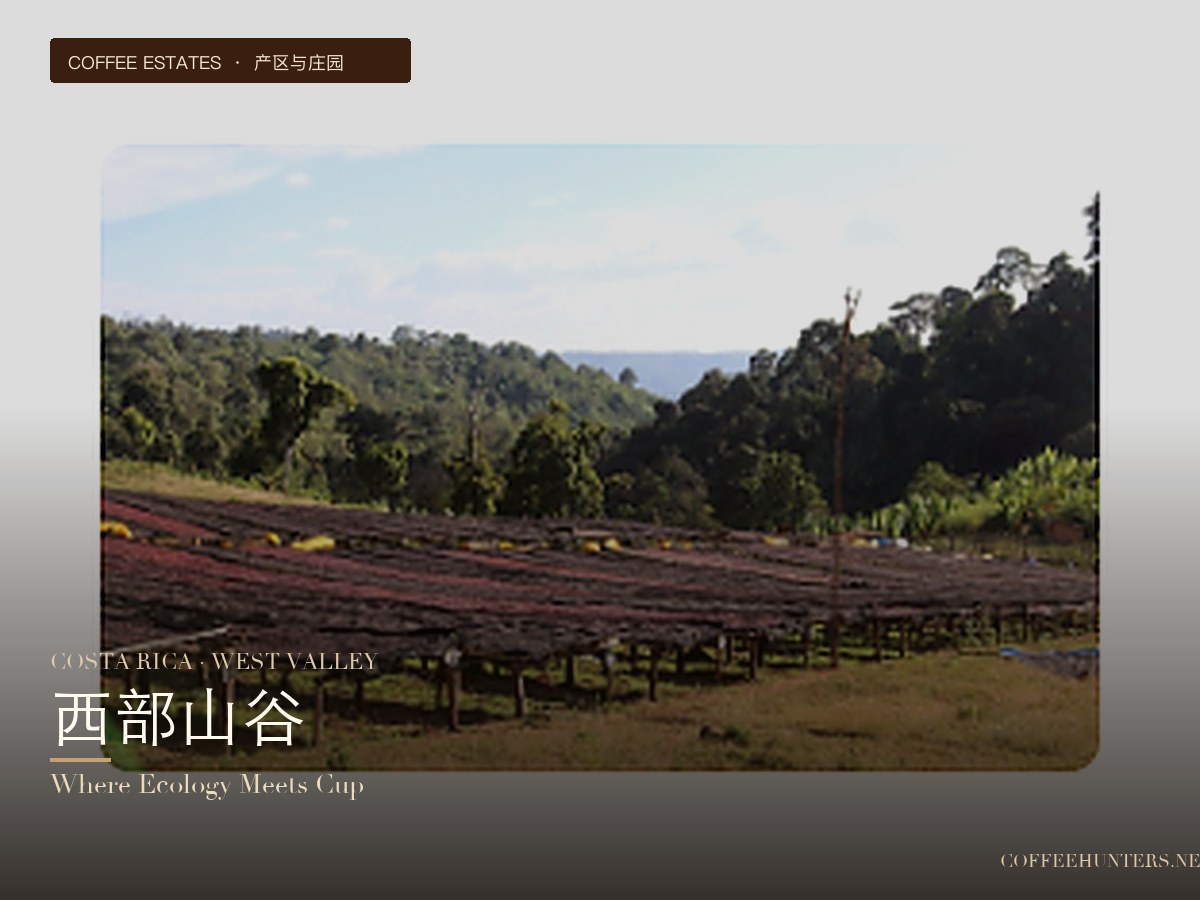
Costa Rica · Western Valley: A Representative of Ecological Specialty
The Western Valley is one of Costa Rica's four major specialty coffee regions, known for its eco-friendly growing philosophy and diverse processing methods. This article introduces the characteristics and signature flavors of this region. [more…]

The Ten Golden Rules of Western Black Tea Brewing: From Leaf Selection to Milk-Pouring Order—What Does Orwell Say? A Full Analysis of Black Tea Astringency and Milk Addition
When brewing a cup of black tea, which type of tea leaves should you actually use? Should the teapot be preheated? Should the milk go in first or the tea? These questions may seem trivial, yet they have puzzled Western tea drinkers for decades. George Orwell once proposed his famous eleven golden rules for brewing tea, offering his own answers one by one, from the origin of the tea leaves to the brewing method. This article will use these ten rules as a thread, combined with the differences between Eastern and Western tea-drinking habits, to re-examine every detail of brewing black tea—including common questions such as whether black tea is better the more astringent it is and whether milk can be added—while weaving in different voices from Chinese tea enthusiasts. Whether you are a loyal fan of Earl Grey or a daily drinker of English Breakfast tea, you will find brewing ideas worth considering. [more…]
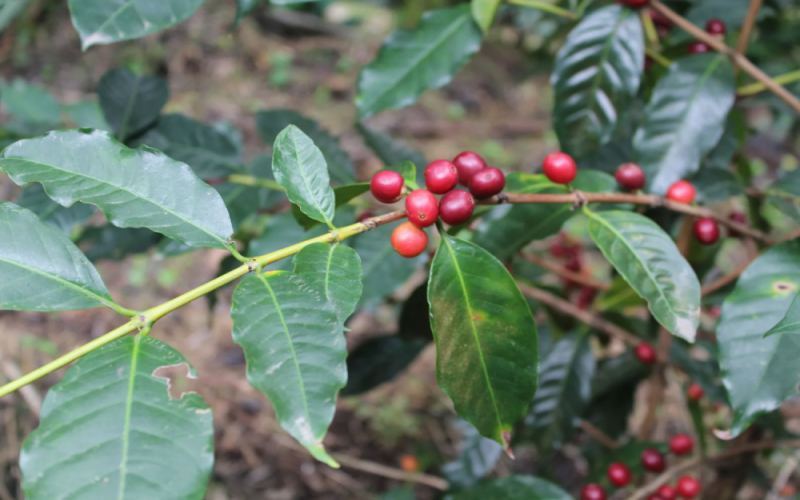
An Analysis of the Development History and Major Producing Regions of Papua New Guinea Coffee: A Full Overview of the Sigri Estate Bird of Paradise Coffee Beans
Papua New Guinea is located in the South Pacific and enjoys a typical island climate and volcanic plateau. Its mountains, at elevations between 1,200 and 2,500 meters, offer natural advantages for growing coffee. Since coffee was introduced at the end of the 19th century, the country has gone through stages including estate establishment, variety introduction, and cooperative transformation. Today, more than 90% of producers are smallholder farmers, and Arabica is overwhelmingly dominant. Five highland provinces make up the main producing regions, among which Sigri Estate in the Western Highlands Province is especially well known. Front Street Coffee has also introduced this estate’s Bird of Paradise coffee beans, which are washed and present a balanced flavor of caramel, cocoa, and almond. [more…]

Escalation of Armed Conflict in Cauca, Colombia: 1,400 Soldiers Deployed, Coffee-Growing Region Hit by Wildfires Again
Colombia's peace process has encountered new setbacks. While the government and the "Caraca" faction extended their ceasefire agreement, another faction—the Western Bloc of the "Central General Staff"—continued to exchange fire with government forces in Cauca Department. President Petro authorized an all-out offensive, and the military deployed more than 1,400 soldiers along with heavy equipment to launch a raid. The conflict sparked wildfires in the mountains, and combined with persistent drought and high temperatures, major coffee-producing regions such as Huila Department and Cauca Department were severely affected, with large tracts of coffee crops destroyed. Coffee output in August fell by nearly 100,000 bags month-on-month. The National Federation of Coffee Growers of Colombia (FNC) said that after three consecutive years of declining production caused by La Niña, output is now struggling to recover, up 15% compared with last year. Regional peace and industry recovery remain core issues that the government urgently needs to address. [more…]
Where is the core production region of Yunnan Dianhong black tea? How should one select the highest-quality Dianhong Golden Needle?
Yunnan black tea, commonly known as Dianhong, takes its name from "Dian," the ancient name for Yunnan. Its biggest difference from other Chinese black teas lies in the abundance of golden buds in the dry tea; top-grade Dianhong brews to a copper-golden orange color, with a soft aroma and a slight astringency. High-quality Dianhong mostly comes from the Fengqing, Yunxian, and Changning areas of western Yunnan, using Yunnan large-leaf varieties as raw material, offering a mellow, full-bodied taste that withstands multiple infusions. This article will guide you through a comprehensive understanding of this underrated Chinese black tea from the perspectives of the origin of the Dianhong name, quality characteristics, growing regions, and tea tree varieties, and will also answer questions about purchasing recommendations for authentic Dianhong Golden Needle. [more…]